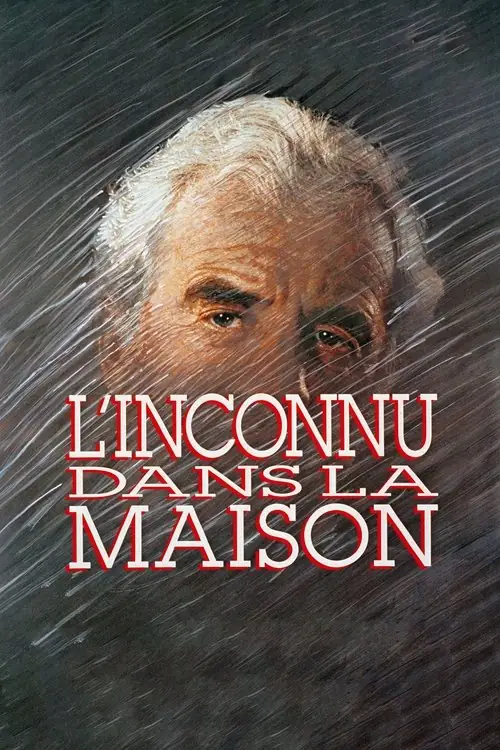
Stranger in the House
REEL ENTRY · SCI-FI · NOTES FROM TOMORROW
Georges Simenon’s literary fingerprints linger over every frame of this brooding domestic noir, which transforms the familiar terrain of the whodunit into something altogether more unsettling—an anatomy of bourgeois collapse. Following the self-inflicted death of his spouse, attorney Jacques Loursat descends into alcoholic oblivion, abandoning both his legal practice and any meaningful relationship with his adolescent child. The household becomes a mausoleum of neglected obligations and unspoken recriminations, its rooms heavy with the particular silence that accumulates around those who have chosen isolation over confrontation with grief.
A gunshot shatters this hermetic existence one evening, and Loursat witnesses an unidentified youth fleeing through the corridors. The discovery of a corpse on the premises ought to galvanize thejurist back toward professional instinct, yet his own daughter’s obstinate denial of knowledge suggests complicity in something far more tangled than a simple homicide. The girl’s social orbit—a circle of privileged, insouciant adolescents flush with disposable income and moral indifference—becomes the terrain through which Loursat must navigate, each revelation exposing the chasm between his parental authority and his actual understanding of the world his child inhabits.
CUT TO · THE PAGE TURNS
What renders the film genuinely disturbing is its refusal to separate criminal pathology from social privilege. The young perpetrators are not products of deprivation but of entitlement; their transgressions stem not from necessity but from the corroding boredom that afflicts those who have never wanted for anything. Loursat’s investigation becomes, in effect, a belated education in the person he failed to raise—a reckoning conducted in the vocabulary of evidence and testimony rather than tenderness and attention. The final implications suggest that the most devastating violence occurs not at the hands of intruders but within families that have ceased to function as such. The production design—claustrophobic interiors rendered in shadows that seem to breathe—reinforces this thesis at every turn, transforming the domestic space into a crime scene of emotional neglect. For admirers of Simenon’s literary legacy and of French crime cinema that prizes psychological acuity over procedural mechanics, this adaptation delivers a harrowing experience that lingers long after the final frame.
Source Reference
Original archive log: https://www.themoviedb.org/movie/81042?language=en-US