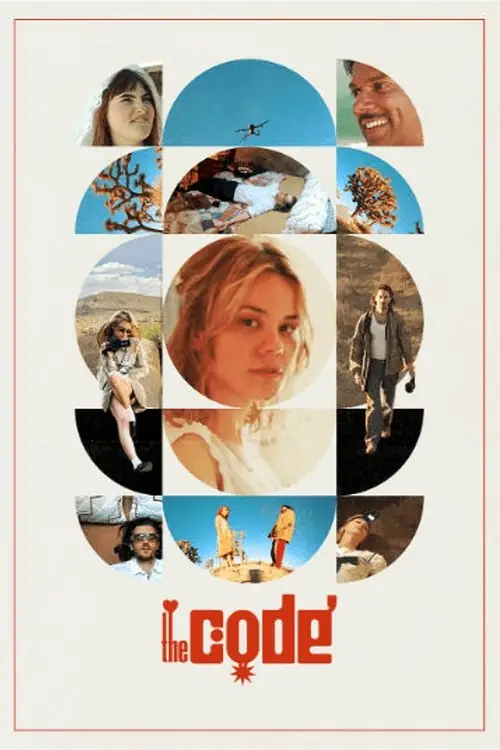
The Code
REEL ENTRY · SCI-FI · NOTES FROM TOMORROW
A chamber piece of suffocating intimacy and mounting dread, this pandemic-era two-hander weaponizes the technologies of surveillance and self-documentation to anatomize a romantic collapse with clinical precision. A couple retreats to a borrowed residence seeking to repair their fractured bond, but the very space designed for reconciliation becomes an arena of escalating psychological warfare. She wields her lens as both shield and instrument of accountability, documenting their unraveling with a filmmaker's compulsion to capture what she cannot prevent. He — a public figure recently subjected to digital excommunication — perceives the camera as prosecution rather than preservation, his mounting conviction that he is being deliberately vilified driving him to install covert recording devices throughout the property. The direction makes inspired use of multiple visual registers — the aestheticized documentary footage, the furtive surveillance imagery, the objective third-person observation — each layer implicating the viewer in the ethical quagmire of spectatorship.
The screenplay charts the deterioration with an almost unbearable authenticity, each passive-aggressive exchange and defensive non-sequitur calibrated to the precise frequency of a relationship in terminal decline. The actors navigate this treacherous material with remarkable courage, rendering their characters simultaneously sympathetic and contemptible, their moments of tenderness made excruciating by the knowledge that they cannot possibly last. The filmmaker refuses the comfort of taking sides, instead presenting each perspective with sufficient conviction that the audience finds itself oscillating between allegiances, recognizing in both parties the terrible logic of self-preservation that transforms intimacy into antagonism.
CUT TO · THE PAGE TURNS
The pandemic setting operates not as mere backdrop but as an active contributor to the claustrophobic atmosphere — the external realm reduced to screens and statistics, the couple's confinement simultaneously voluntary and coerced. The property itself becomes a character, its anonymous furnishings and impersonal décor mirroring the provisional nature of their connection. By the devastating conclusion, the various visual streams have converged into a single, unanswerable question about the possibility of authentic connection in an age where every interaction is potentially performative and every witness potentially a judge. This is independent filmmaking of the highest order — brave, discomforting, and ultimately indispensable.
Source Reference
Original archive log: https://www.themoviedb.org/movie/1134118?language=en-US